
Renewable Energy in South Asia: A Country-by-Country Guide to Clean Power
From Bhutan’s carbon-negative grid to the Maldives’ island-by-island solar shift, learn how all eight South Asian nations are powering their future.
August 21, 2026Read

Latest updates on global and local movements across climate finance, sectors, ventures, businesses, startups, technologies, policies, and events.
From Bhutan’s carbon-negative grid to the Maldives’ island-by-island solar shift, learn how all eight South Asian nations are powering their future.

Biochar turns crop waste into a climate solution, sequestering carbon for centuries while improving soil health. See how it works in South Asia.
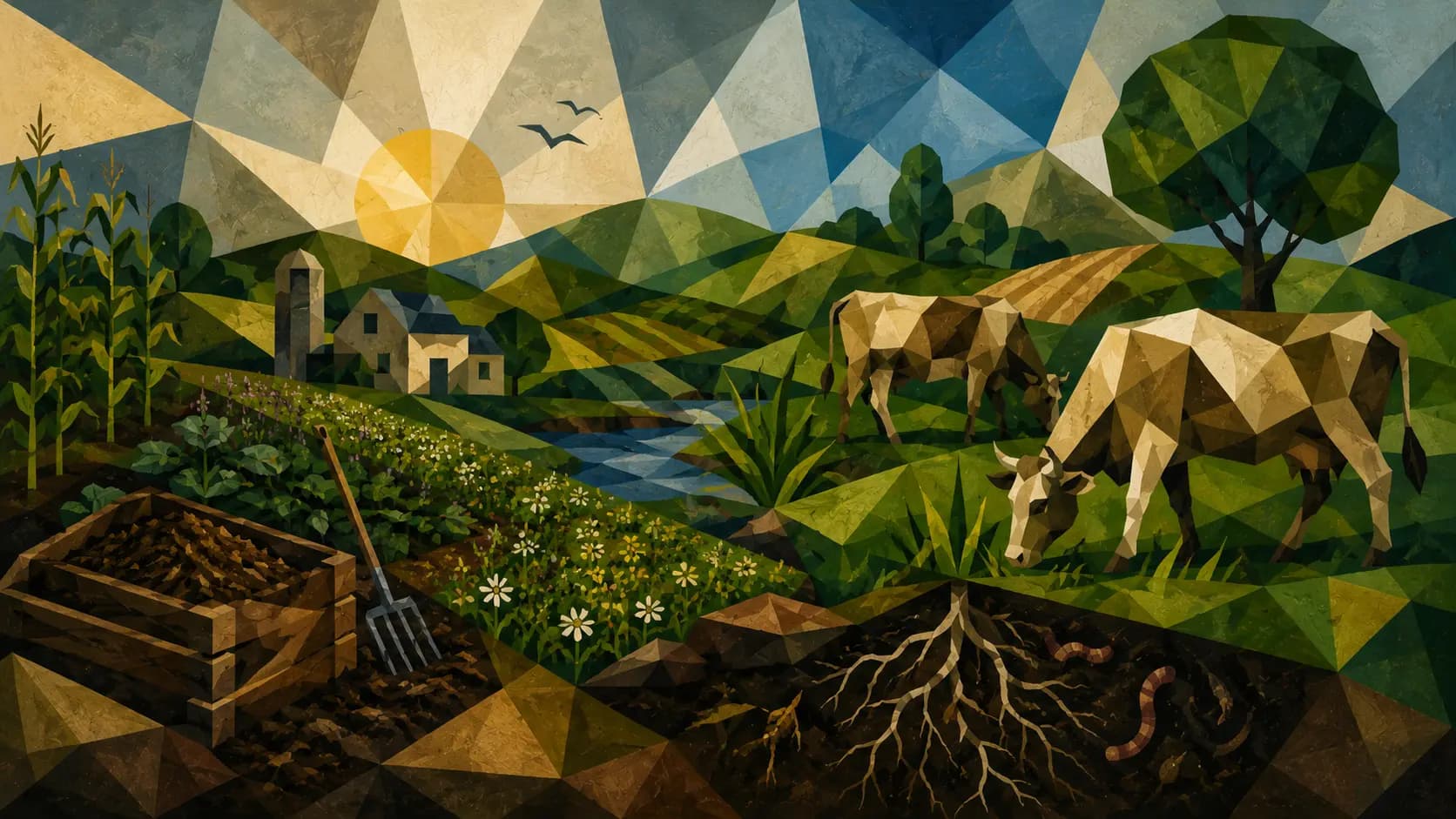
Regenerative agriculture and organic farming aren’t the same. Learn the key differences, backed by data, real startup examples, and what it means for climate finance.
Data shows nearly half of India’s climate-tech startups now come from Tier 2 and Tier 3 cities. Here’s why – and what it means for climate finance.
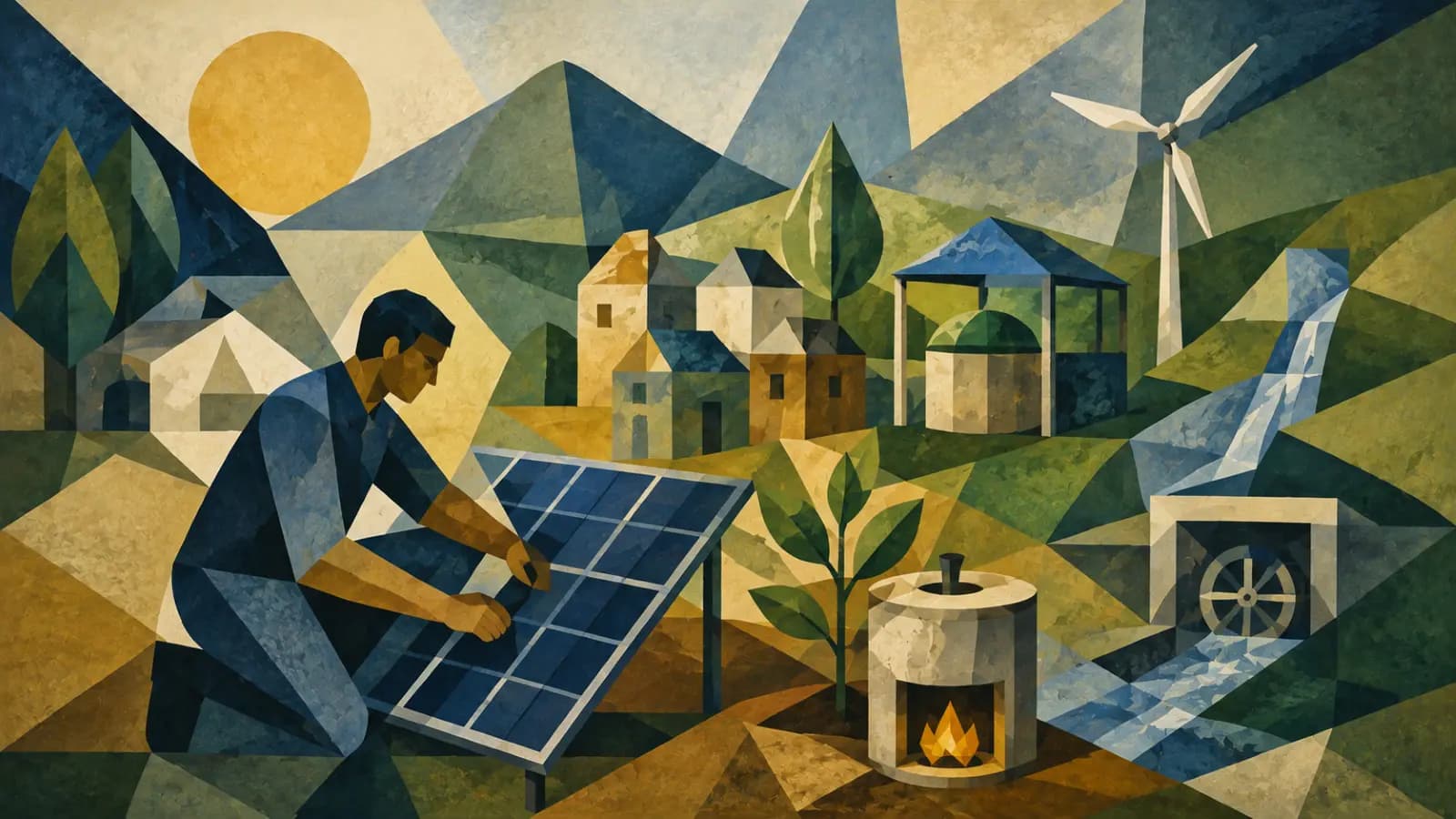
From solar irrigation to mini-grids: how small clean energy businesses are powering rural South Asia, and the financing gap standing in their way.

A guide to what climate impact investors, grantmakers, and philanthropies expect from early-stage startups, with a South Asia, gender-lens focus. Theory of change, additionality, and outcomes – explained.
A practical guide to what climate tech investors screen for at the early stage, and what it means for women-led climate SMEs in South Asia.
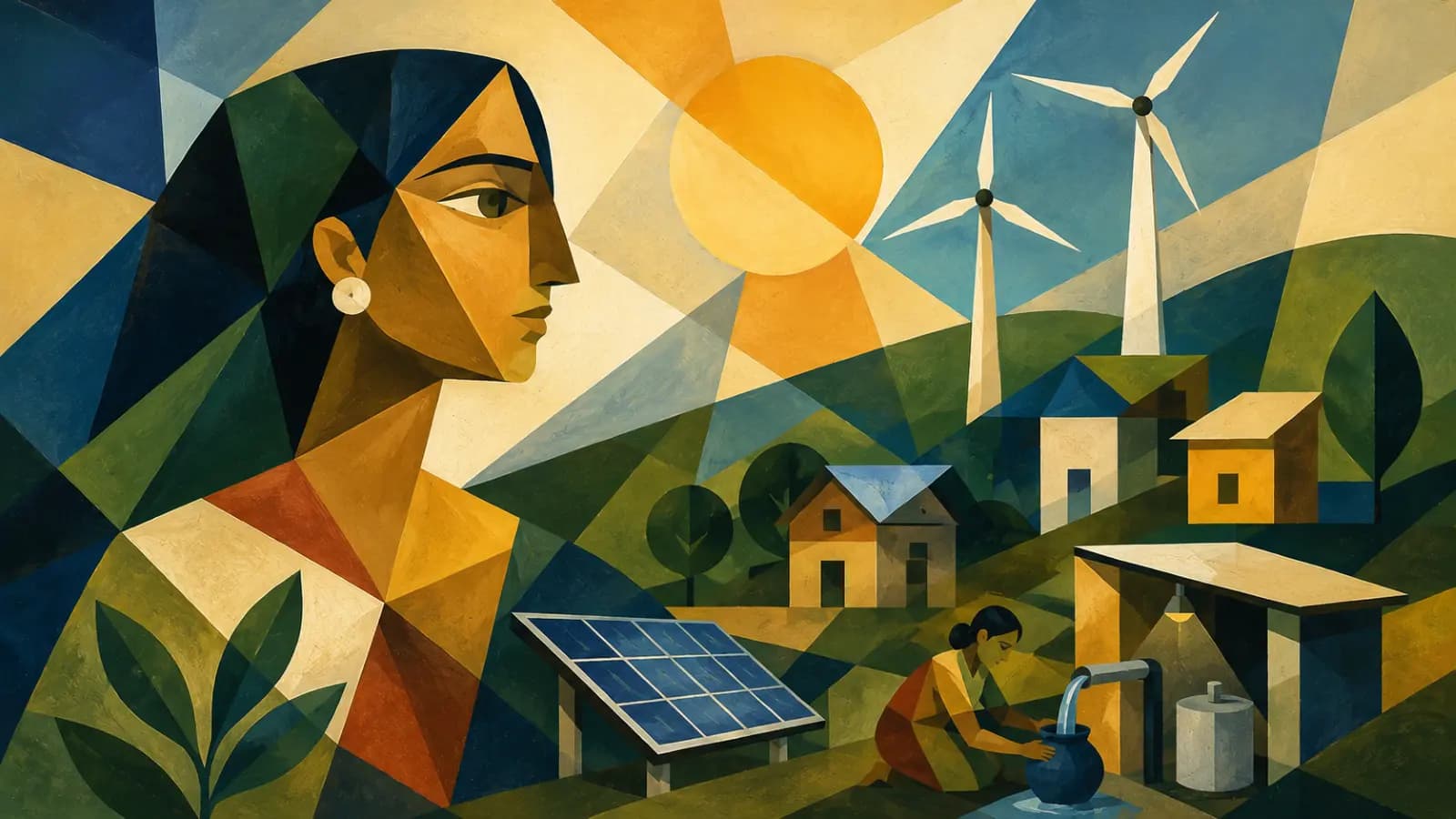
Discover how women-led climate enterprises are transforming renewable energy in South Asia into a driver of livelihoods, resilience, and economic opportunity.

Discover how Khetipati Organics, a women-led climate enterprise in Nepal and part of Project SAFFAL, is reducing food loss, strengthening farmer incomes, and building climate resilience across the Himalayan region.
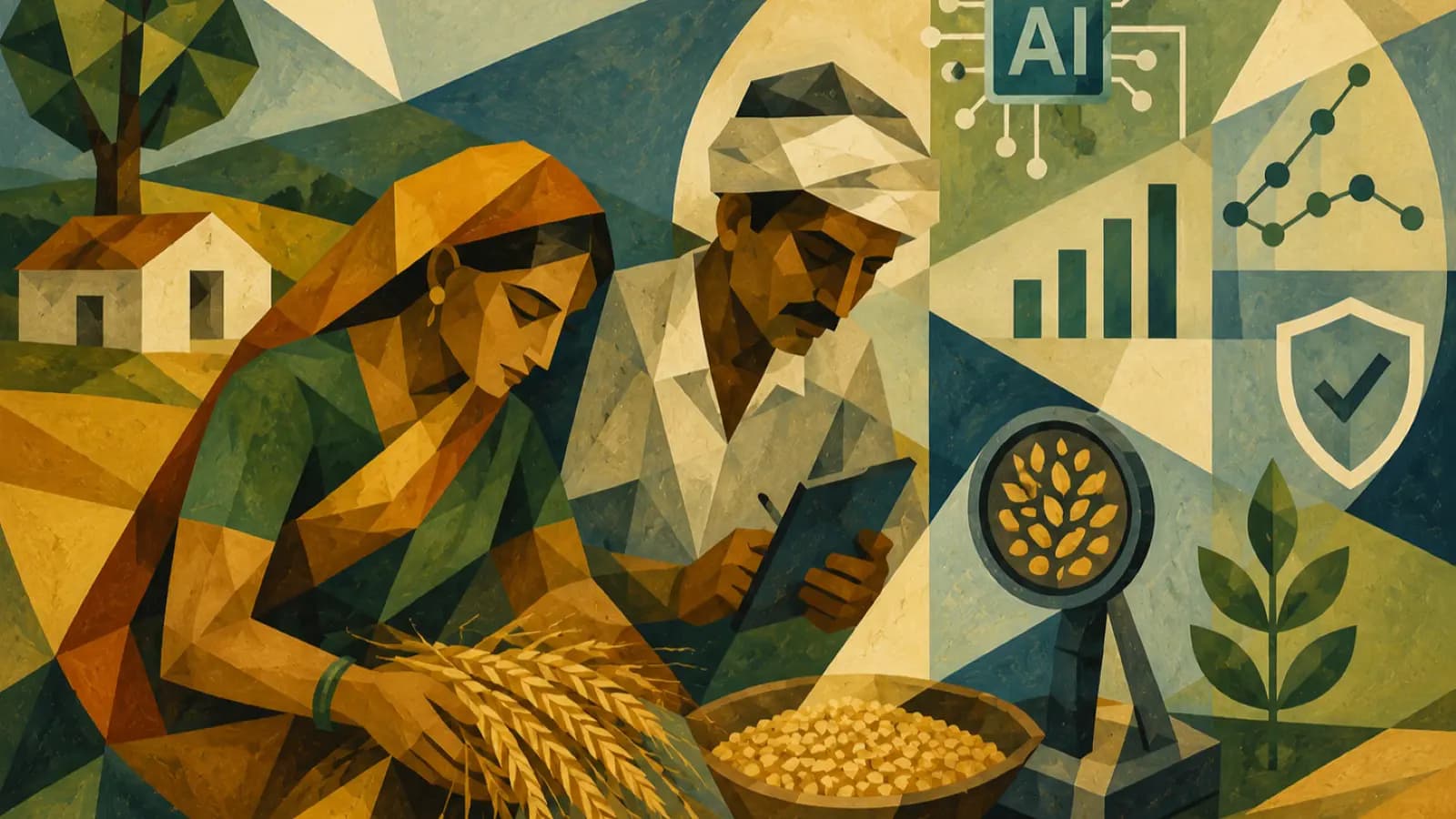
Discover how Froots Technologies is transforming agricultural quality management through AI-powered food safety intelligence, traceability, and aflatoxin risk prediction. How it’s helping farmers, FPOs, and exporters reduce losses, improve quality, and strengthen climate-resilient agricultural value chains.
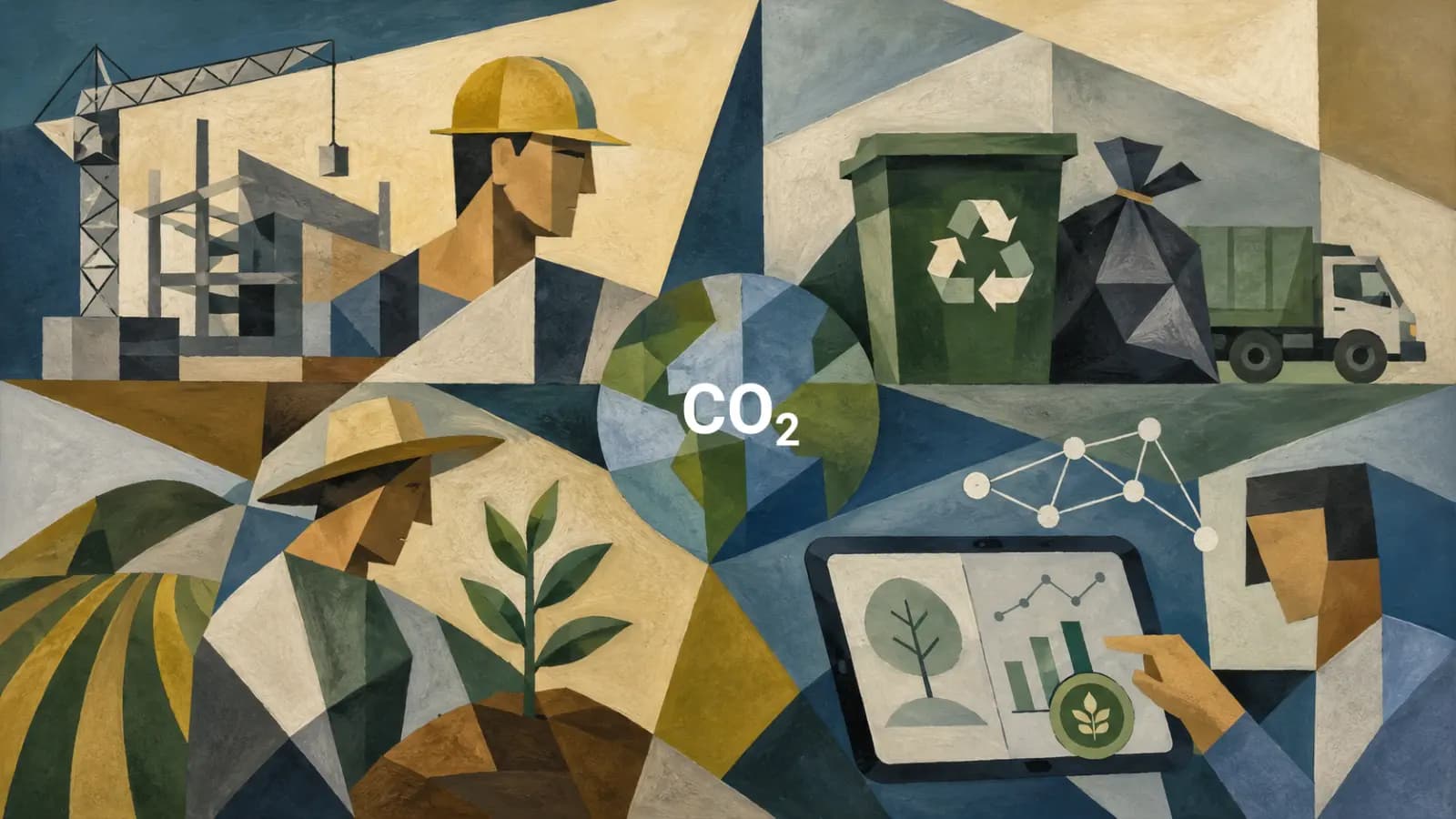
Discover how women-led climate startups across Project SAFFAL are advancing decarbonization through sustainable infrastructure, regenerative agriculture, circular waste systems, and carbon intelligence.

Institutional investors are increasing allocations to impact venture capital funds, particularly in climate innovation. Explore the drivers, risks, and opportunities shaping this shift.
How impact private equity funds scale climate enterprises with growth capital. Explore critical opportunities for asset managers in climate private equity and emerging markets.
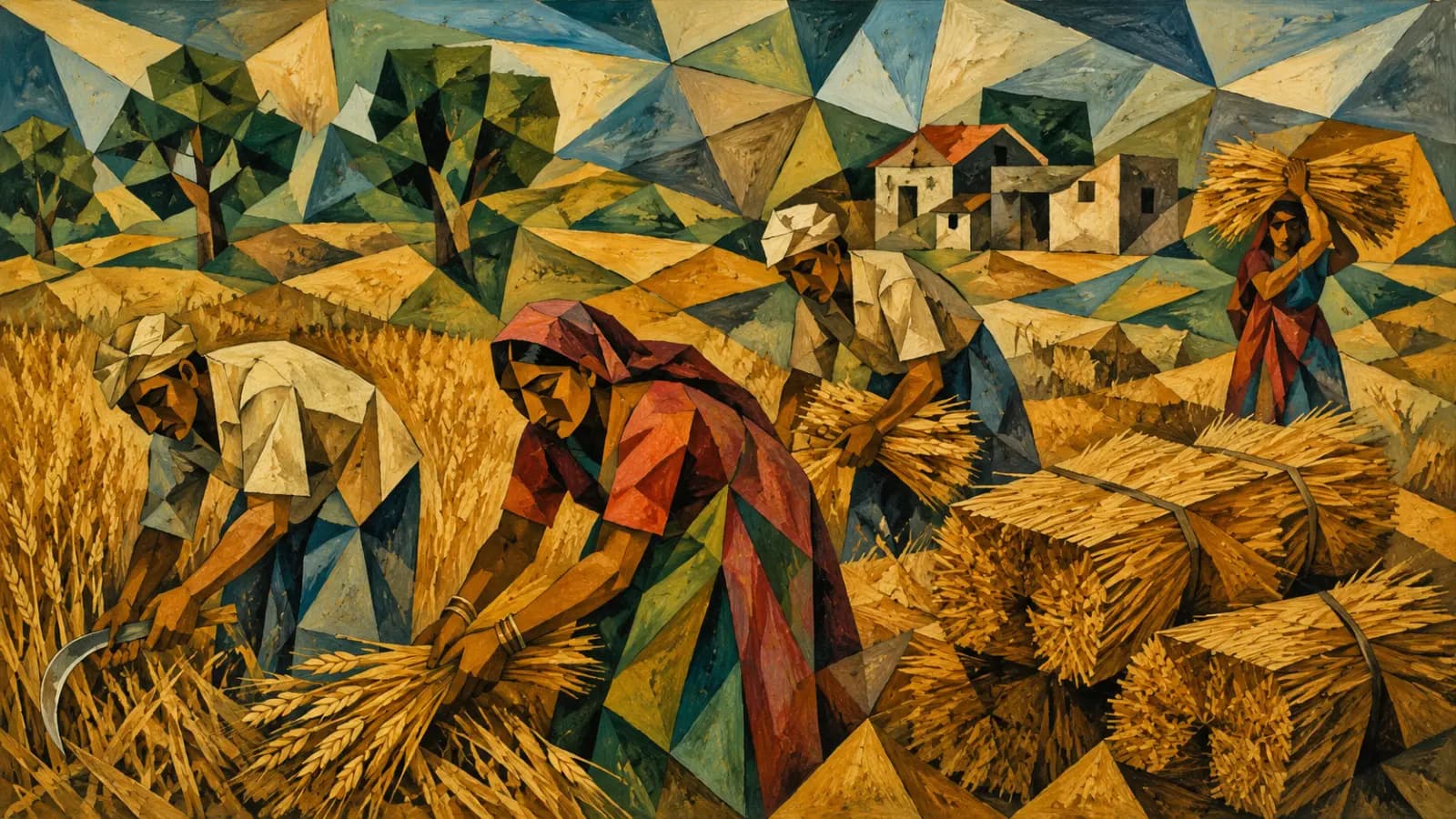
An analytical deep dive into how waste innovation in South Asia is shifting toward decentralized rural circular economies, where agricultural waste is becoming economic infrastructure for climate resilience and livelihoods.

Climate venture capital is shifting toward earlier ecosystem engagement as impact venture funds seek differentiated access to emerging climate startups in South Asia.
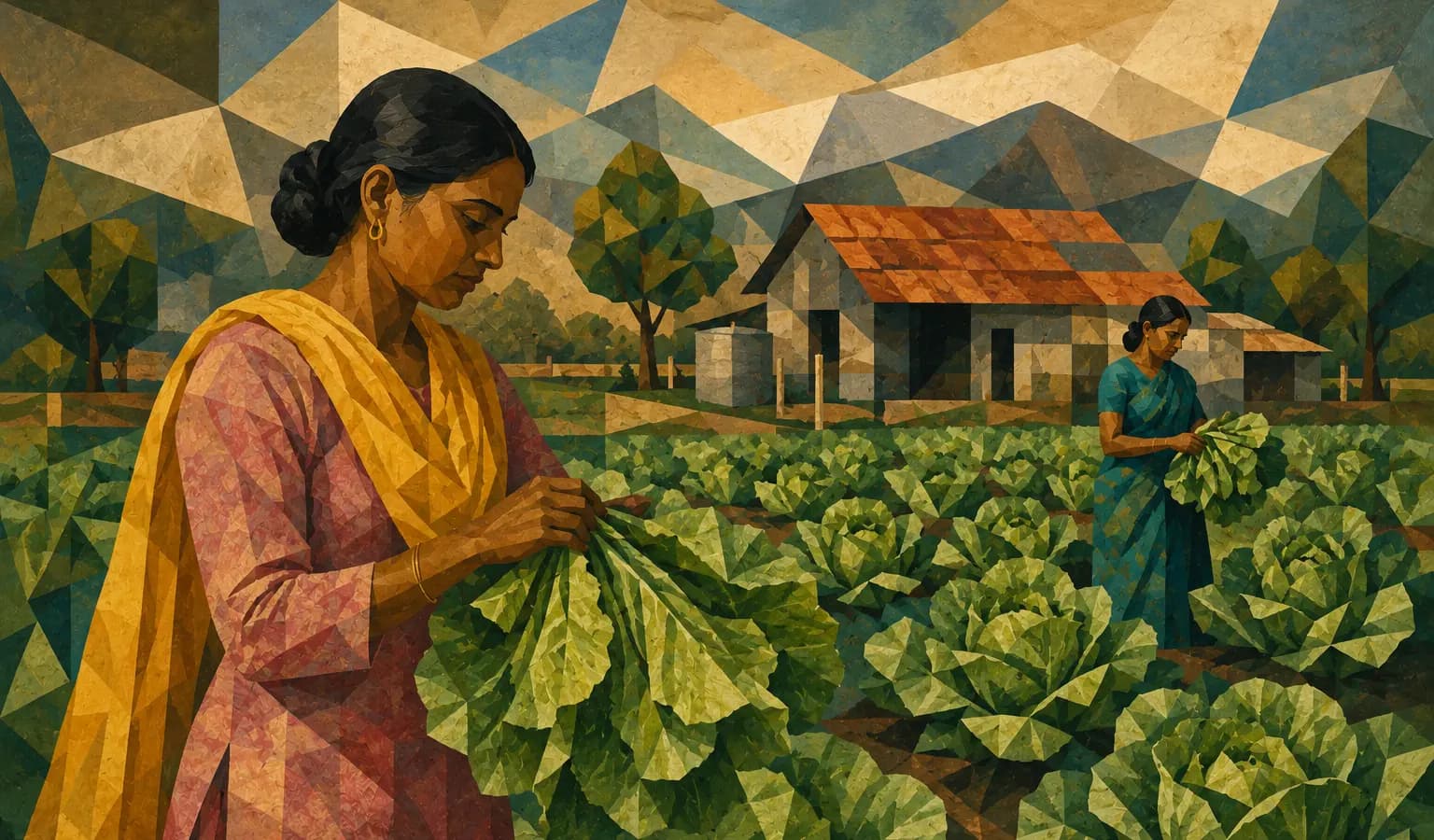
An analytical deep dive into how women-led climate enterprises in South Asia are reshaping sustainable agriculture through resilient farming systems, circular rural economies, and farmer income-focused climate adaptation.
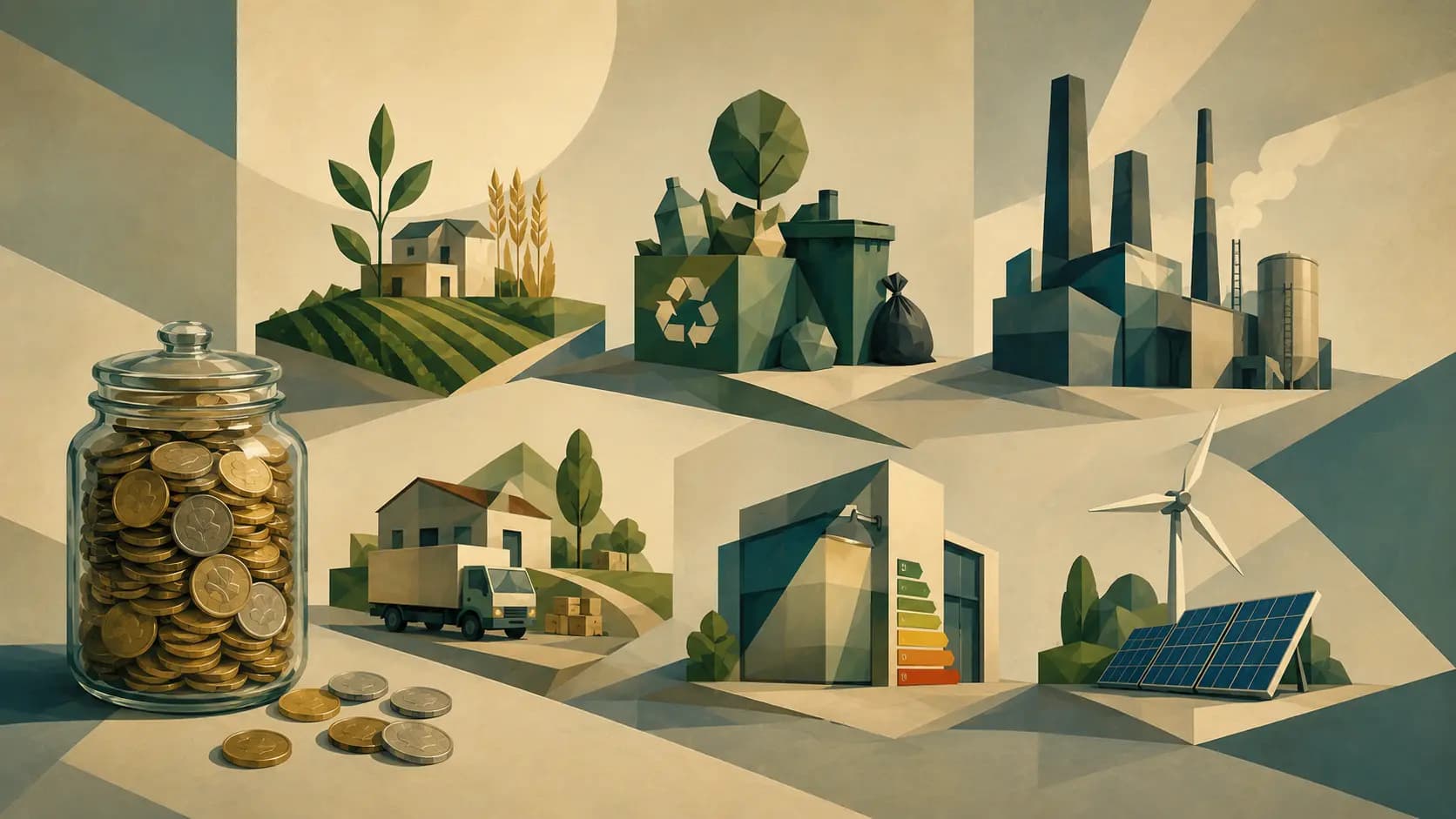
How social venture capital is shaping climate innovation by building investment-ready startup pipelines, de-risking early-stage ventures, and unlocking new sectors for venture capital funds.
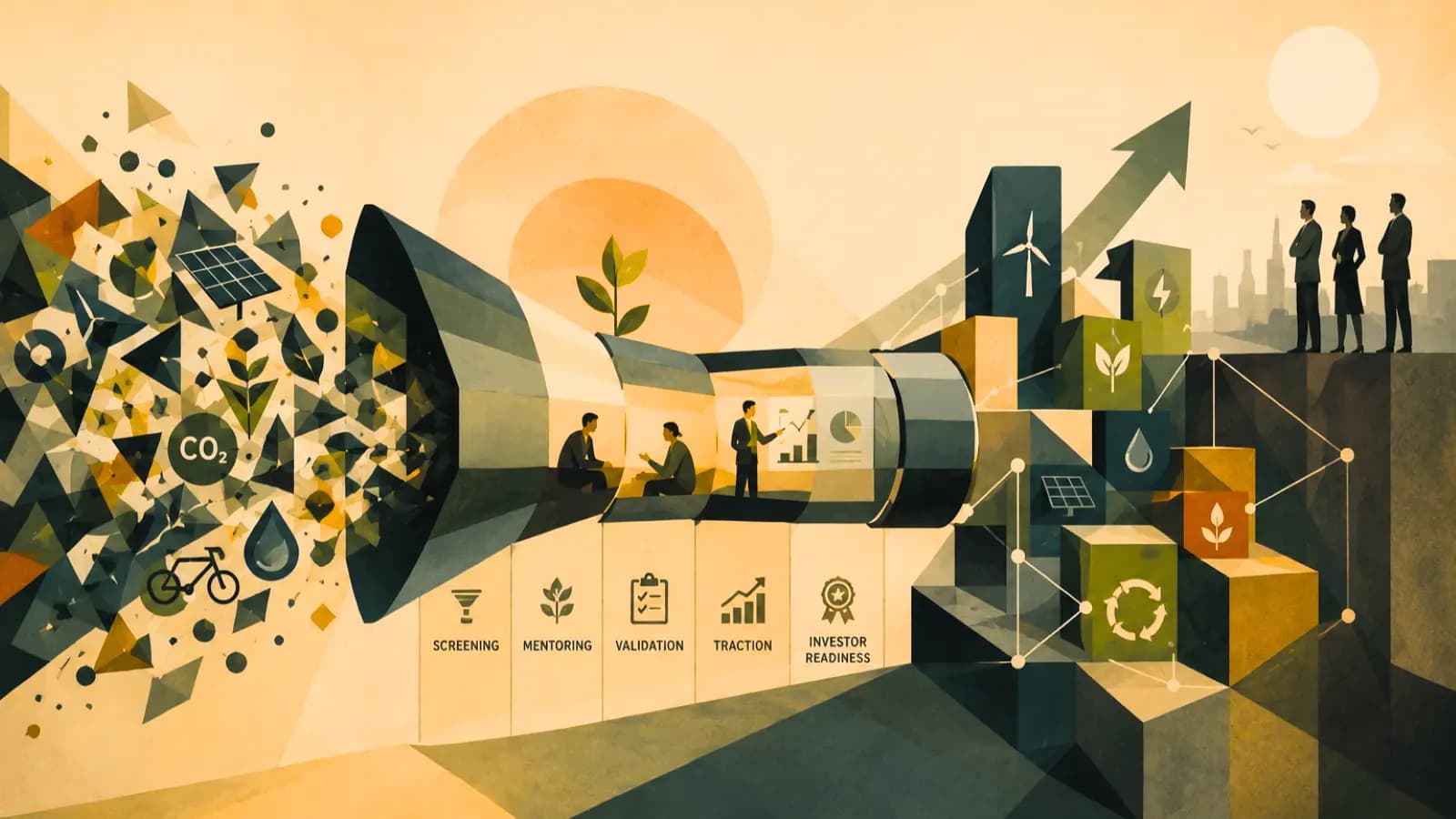
Learn how climate accelerator programs are building investment-ready impact startup pipelines and how angel investors can access curated climate startups.
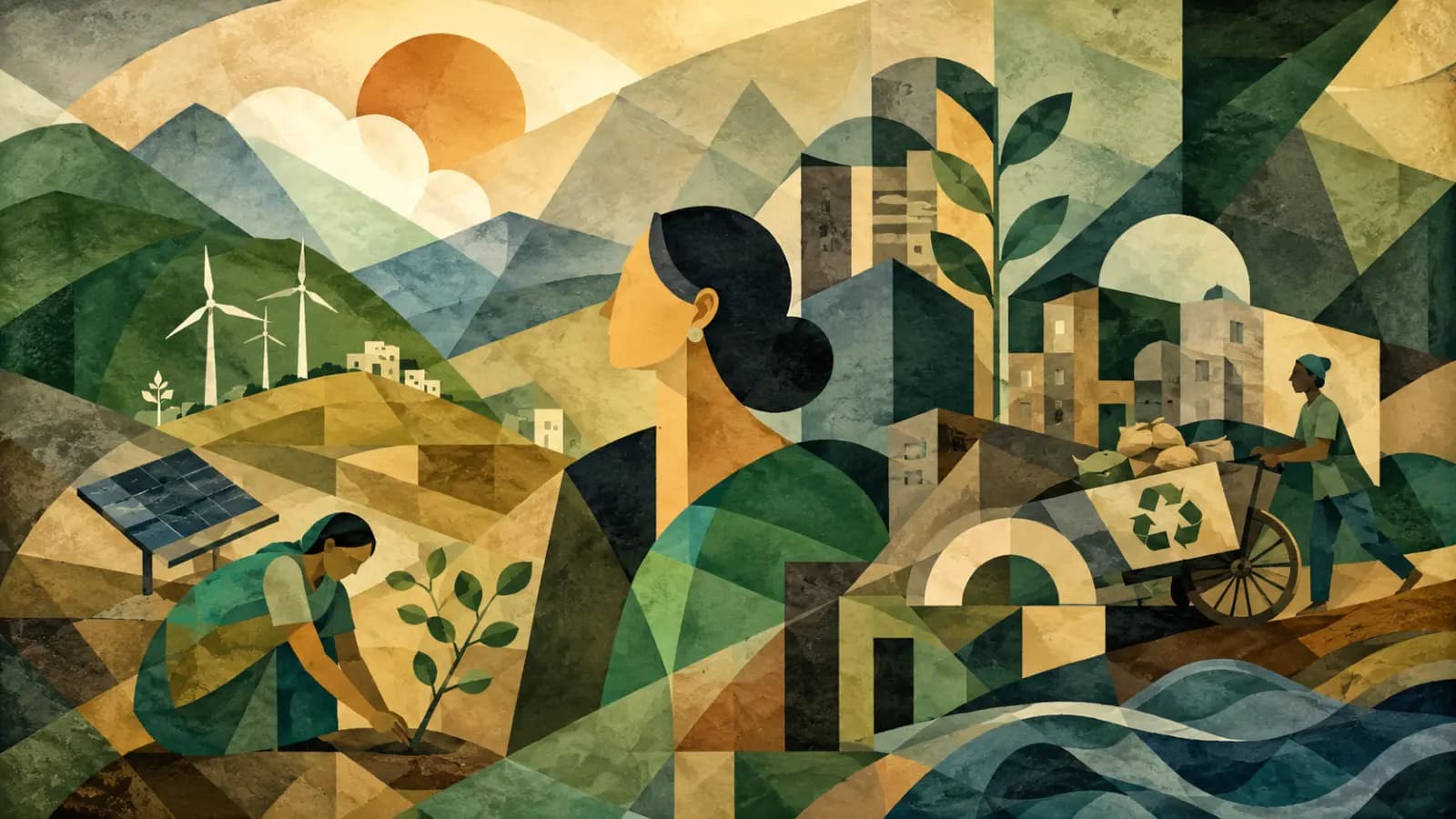
Discover why women-led climate startups represent one of the most overlooked impact investment opportunities in emerging markets.
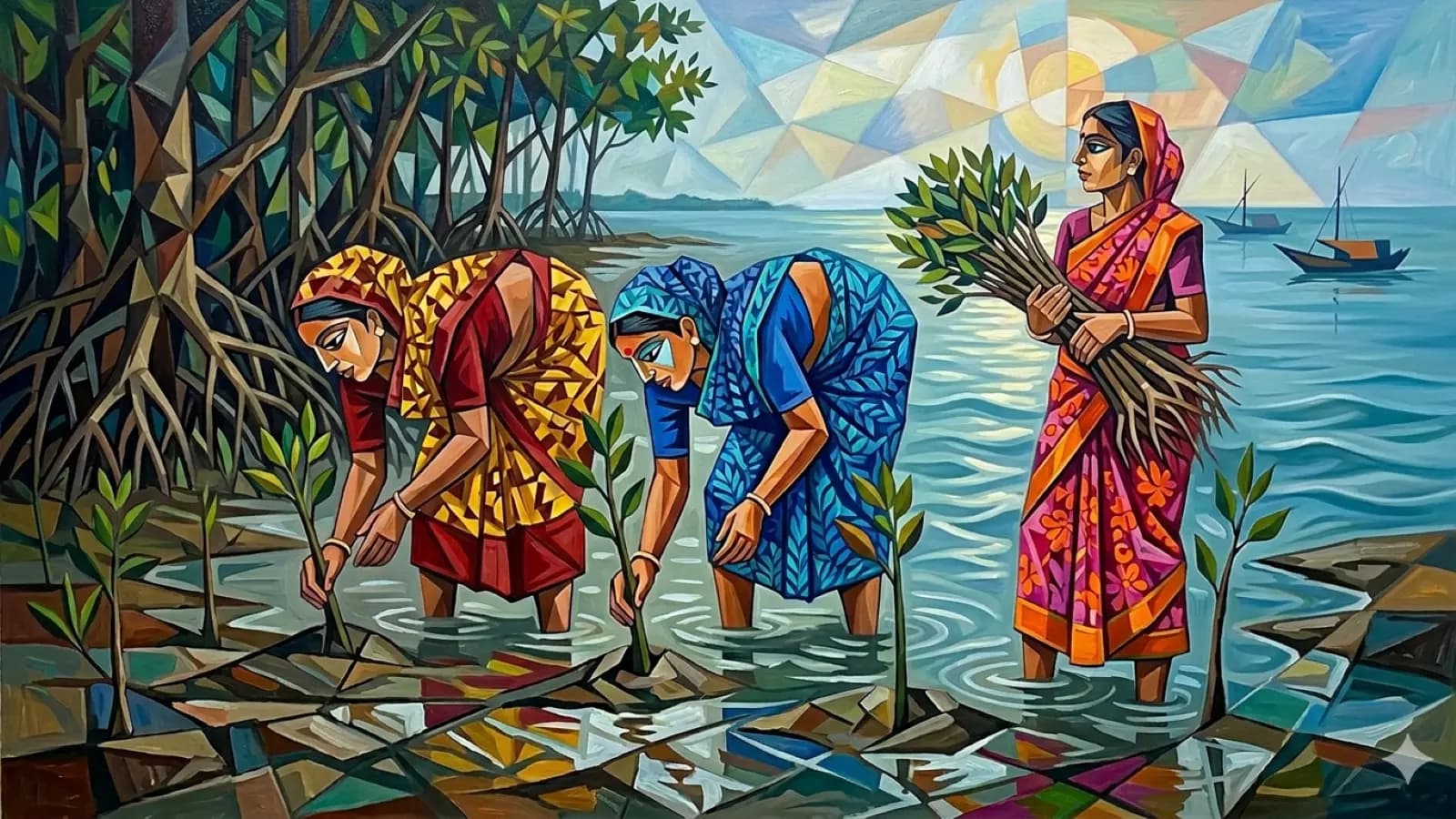
Impact investment opportunities in South Asia are increasingly being shaped by climate innovation and women-led climate enterprises. Here’s why institutional investors are beginning to pay attention.
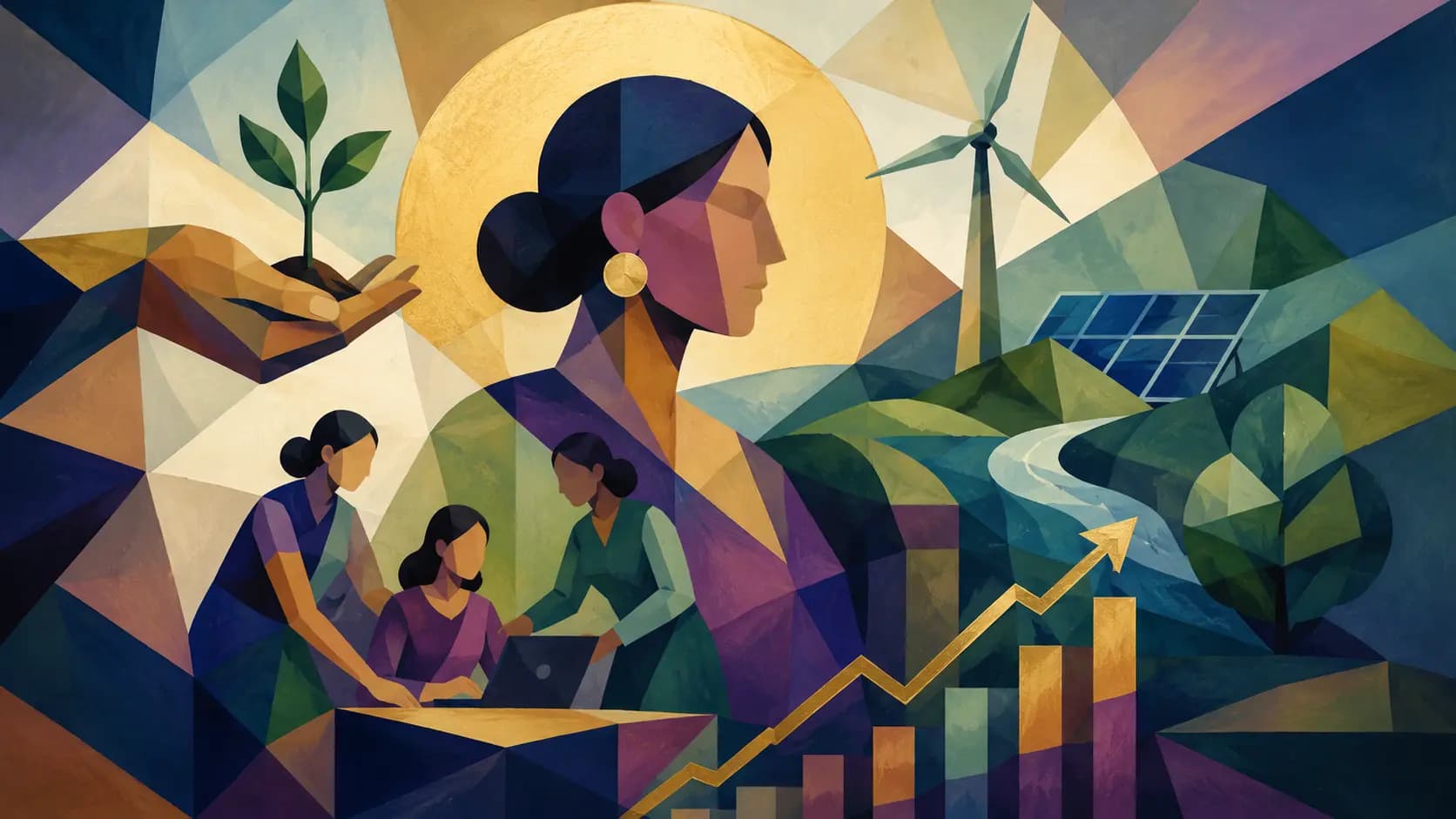
Climate investing is shifting from niche allocation to strategic capital deployment. Explore emerging impact investment opportunities in climate innovation, women-led climate enterprises, and underserved ecosystems across South Asia.
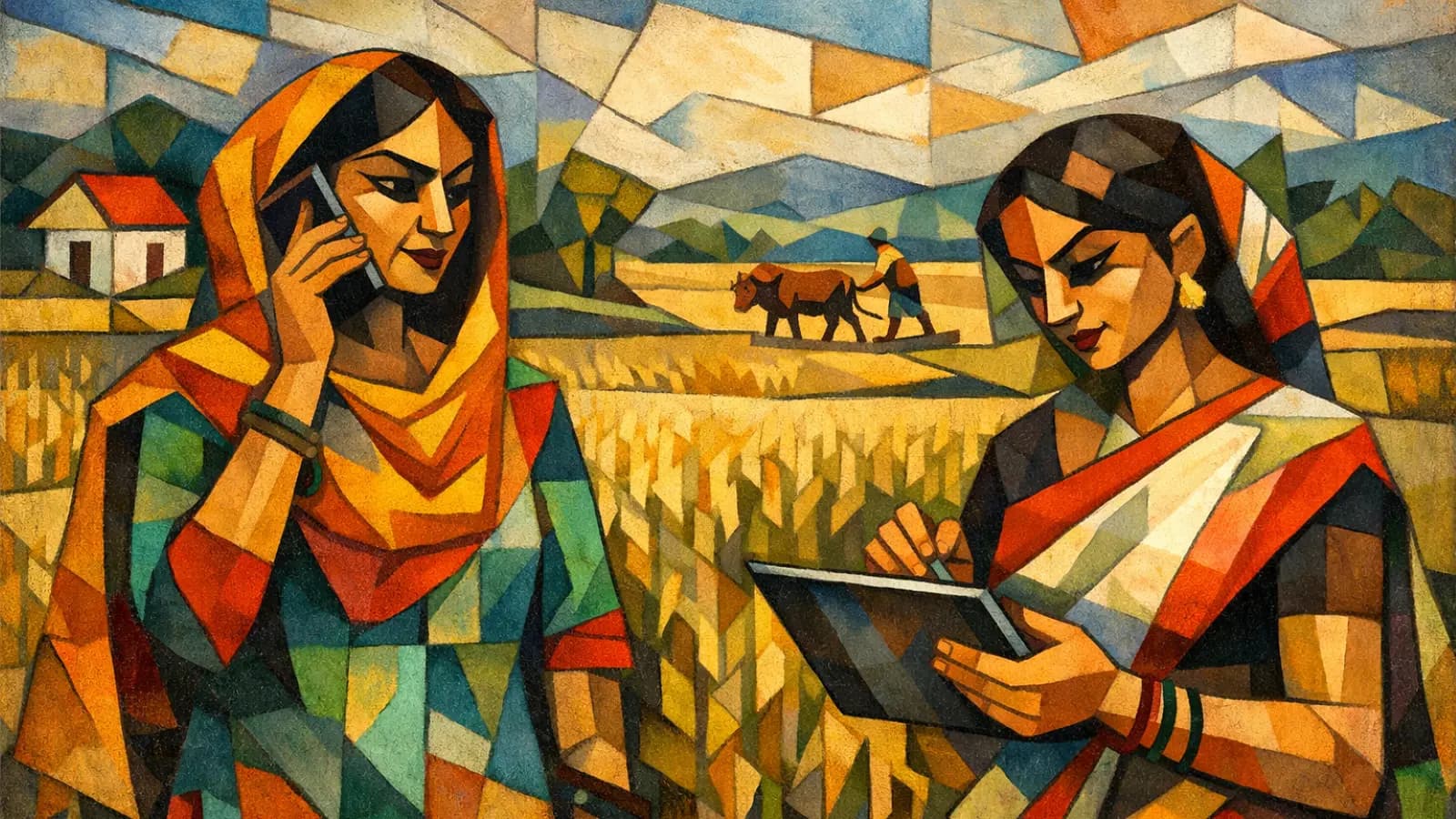
Explore key insights from Project SAFFAL on building climate startups in South Asia, covering funding gaps, ecosystem challenges, and the rise of women-led climate innovation.
Over the course of Project SAFFAL’s Startup Mentorship Series, climate founders across South Asia engaged with investors, operators, ecosystem builders, legal experts, researchers, and communication strategists to better understand what it truly takes to build scalable climate ventures. In a previous article, we explored the first sixteen sessions of the series and the foundational themes […]
Why do climate startups struggle to scale in South Asia? Explore key barriers, from funding gaps to ecosystem challenges, and what needs to change to unlock growth.

Project SAFFAL is building more than startups; it is creating a long-term ecosystem for climate innovation in South Asia, connecting founders, mentors, ecosystem partners, capital, and global opportunities.
Discover how Project SAFFAL’s mentors and partners support women-led climate enterprises in South Asia through funding readiness, networks, and ecosystem collaboration.
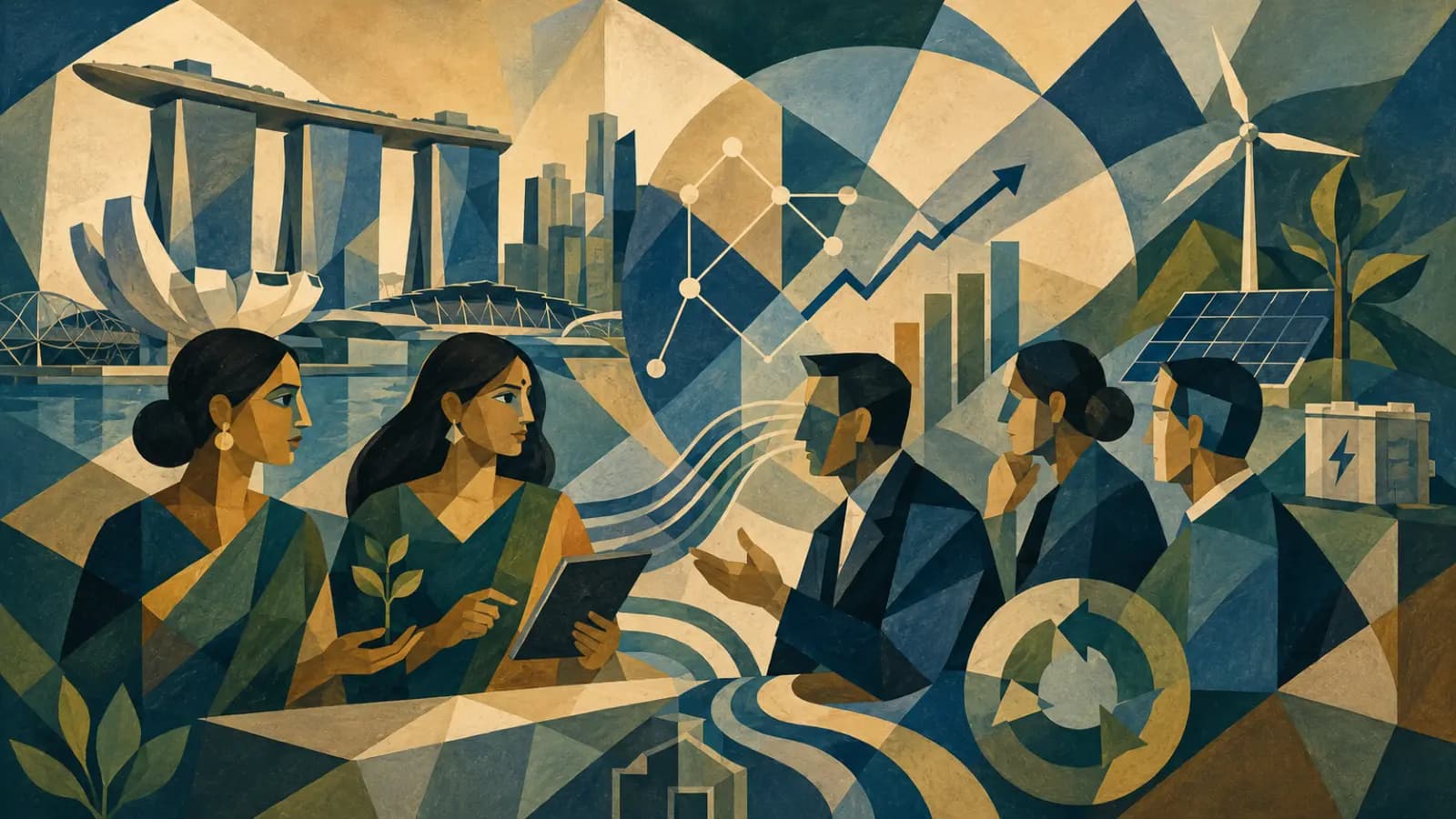
Inside the SAFFAL Investor and Donor Summit in Singapore: key insights on blended finance, climate tech, and unlocking capital for women-led enterprises in South Asia.
What sets Project SAFFAL apart? Explore how this climate-focused, women-led startup initiative is rethinking climate acceleration in South Asia.

Explore how Project SAFFAL supports women-led climate enterprises in South Asia, from idea validation to investment readiness, through mentorship, ecosystem access, and structured support.
How Project SAFFAL’s mentor-led sessions are building climate founders into investment-ready entrepreneurs through storytelling, finance, and fundraising skills.

Explore how Project SAFFAL supports women-led climate enterprises through a 12-week bootcamp, investor readiness, and a blended finance facility.
South Asia faces a massive climate finance gap. Discover why women-led climate startups are key to unlocking scalable, inclusive solutions.